There is a woman named Rosemary Gladstar who, in the early 1990s, was walking through the forests of Appalachian Ohio when she came across what may have been one of the last great wild clusters of goldenseal left on this continent. What she saw stopped her in her tracks — and eventually moved her to build something that has spent the last thirty years making sure that moment never has to happen again.
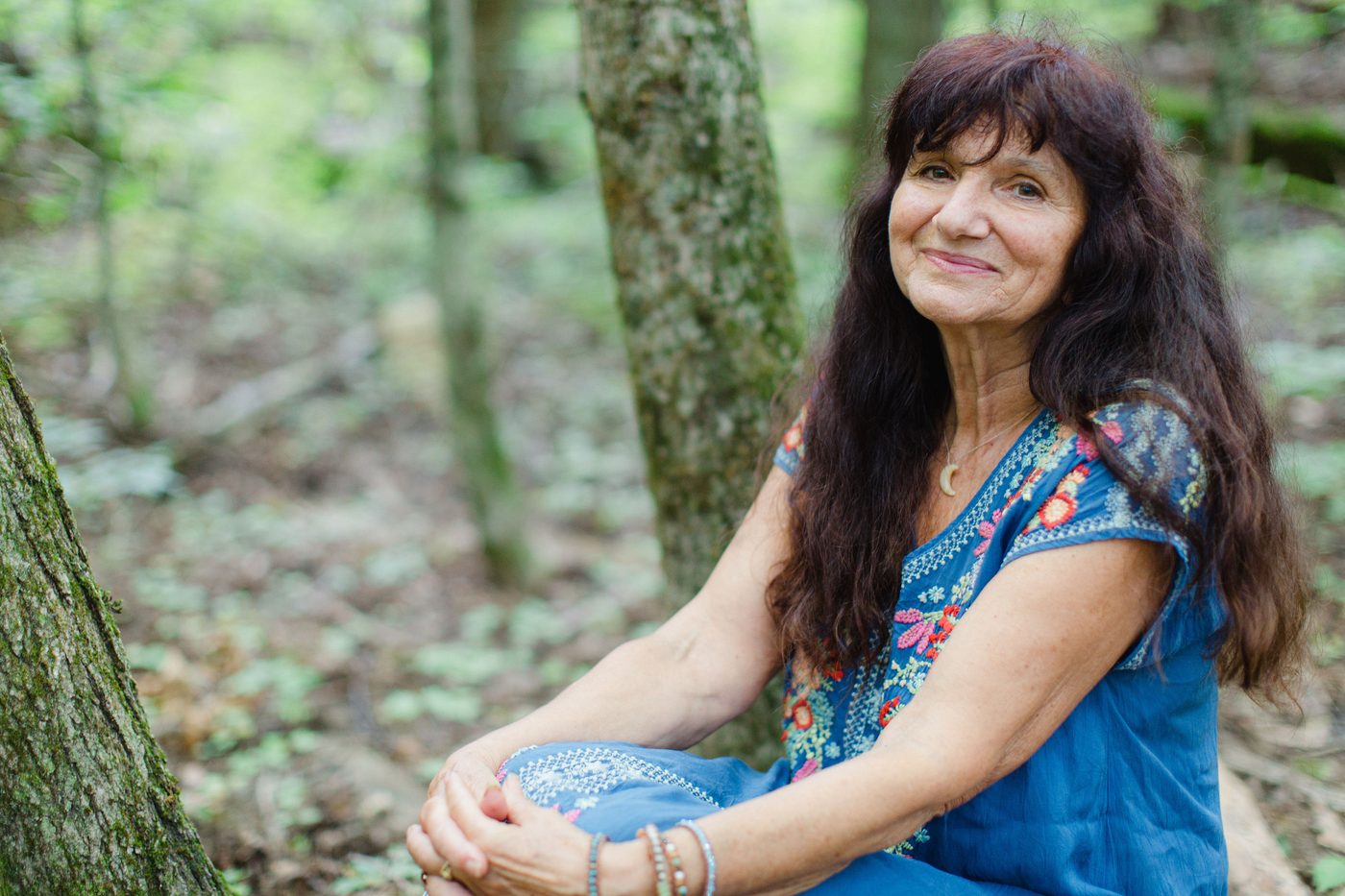
Rosemary Gladstar, founder of United Plant Savers & Godmother of American Herbalism · Photo: Danielle Cohen
Gladstar — whom many call the Godmother of American Herbalism — had spent decades learning, teaching, and writing about the healing plants of North America. She founded the California School of Herbal Studies, the oldest running herb school in the United States. She co-founded Traditional Medicinals. She had taught in backyard gardens and university lecture halls and native villages. She knew these plants the way you know family.
"The plants that have nourished and healed human beings for thousands of years deserve the same care and attention we give to our own families. They are family."
And she understood something that mainstream conservation had largely missed: the surge of popular interest in herbal medicine in the 1980s and 90s was not only good news. It was also putting enormous commercial pressure on wild plant populations that had no formal protection — and in some cases, no one even paying attention.
What United Plant Savers Does
In 1994, at the 4th International Herb Symposium, Gladstar gathered fellow herbalists around a shared alarm: the plants people were turning to for healing were being harvested from the wild faster than they could recover. The response was United Plant Savers — a nonprofit dedicated to protecting native North American medicinal plants, fungi, and their habitats while ensuring renewable populations for generations to come.
Today UpS stewards a 370-acre botanical sanctuary in Rutland, Ohio — part pristine Appalachian forest, part revegetated coalfield — home to more than 500 plant species, 120 tree species, and 200 species of fungi. They maintain an At-Risk Species List: a research-backed inventory of wild medicinal plants most vulnerable to habitat loss, overharvesting, and commercial pressure. They run a seed bank. They support a national network of private botanical sanctuaries. And they do what Gladstar has always done best — they teach.
Plants Currently At Risk
Why We Are Members
At The GreenLife Project, regenerative living is not only about what we grow and eat — it is about what we protect. The wild medicinal plants of North America have sustained human communities for thousands of years. Many of them are now in serious decline, not because of one dramatic event but because of the slow, steady accumulation of habitat loss, commercial demand, and neglect.
We grow at-risk medicinals on our land in Olympia — a small act in a large problem, but one that matters. A backyard patch of goldenseal, a shaded corner given over to wild ginger, a jar of seeds passed between neighbors: these are the gestures that, multiplied across thousands of properties, constitute a movement.
We grow and protect at-risk medicinal plants on our land as part of UpS's Botanical Sanctuary Network — joining landowners, farmers, herbalists, and community organizations across the country who have committed to stewarding their land in ways that restore habitat for native medicinal plants.
A botanical sanctuary doesn't require vast acreage or institutional resources. It requires intention, care, and a shift in how you regard the land underfoot.
- ▶Become a member of United Plant Savers at unitedplantsavers.org
- ▶Download the free At-Risk plant list and check your herbal products
- ▶Grow at-risk medicinals in your garden — even one plant counts
- ▶Choose cultivated over wildcrafted herbs when buying supplements
- ▶Register your property as a Botanical Sanctuary with UpS
- ▶Share seeds — especially of at-risk species — with your community
The dream Rosemary Gladstar had — of a continent where the healing plants are not disappearing but flourishing, tended by a network of people who understand their value — is not naive. It is an act of reciprocity. These plants have given us so much. The least we can do is give them ground to grow in.